
Psychological Defences – What are they and why do I care?
Today I am talking about defences, why we have them, why we’ve needed them and how our lives can improve as we calm them so we are less triggered and defended. Our defences affect every aspect of our lives, so it’s not an exaggeration to say when we change our relationship with our defences it will change our entire lives.
I am staring with an experience again as I truly believe that an experience can bring understanding in a way words just can’t.
Check out the audio on this page or grab the MP3 at the link below. If you prefer to listen to this article rather than read it jump to the top the page after you do the experience. I like listening to text myself and I enjoy recording them.
The Experience
Or Download the MP3 here
Welcome back from that short experience with your defences. If you are anything like I was before I studied as a Counsellor you probably didn’t realize all the ways our system or nervous system protects us from being overwhelmed.
In a psychological sense what are defences? As the name implies, they are a behavior, thought, way of thinking, bodily sensation, or emotion that protects or defends us. But what are these parts of us defending and what are they defending against?
Our defences are defending the vulnerable parts of us that no longer trust us (the Self) to handle the challenges of life. They defend the parts of us that were overwhelmed and alone in the past, they fear that those threatening situations will happen again or are still happening now.
Our defences are trying to protect us from any possible threat to our system. Our system being our nervous system in connection with our brain and mind. Our systems have learned from past experiences what might threaten to overwhelm us. Many or even most of our defences were created when we were young, during a time when we were, or felt we were, in danger and didn’t have a protective adult to help us. Often when feel threatened but know we have a protective person to support us we don’t take on the same defences.
When are defences aren’t driving our behavior then we are ourselves. When we are ourselves, we are living from our “Self” energy. I talk about this in a previous article called The Self. The Self is that aspect of us that connects deeply with others and calmly shines with all our talents and love. When we are in “the zone” we are connected to our “Self” energy. The Self contains our internal resources that we use to care for us like a loving parent would.
Why do we have psychological defences?
At the root of defence is fear. The fear that we will be overcome or eliminated by whatever we are experiencing. Defences are created because our system is overwhelmed by an intense traumatic experience; or we have less-intense threatening experiences over time. Our system learns what threatened it in the past and recreates that old experience through bodily sensations, thoughts and emotions as a warning system to us. Most of the time all of this happens so quickly that we aren’t aware of it.
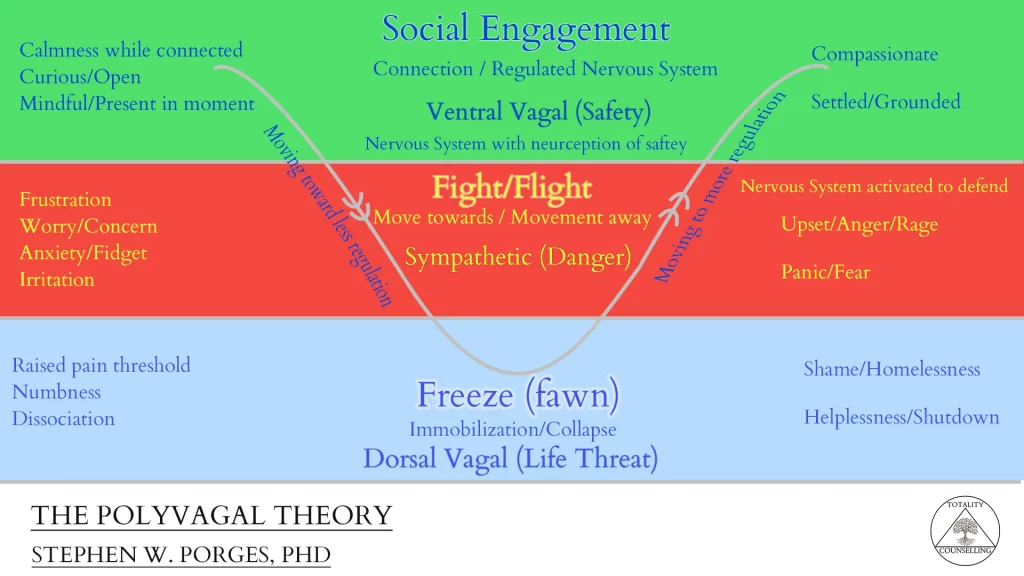
In situations where we need to move quickly out of the way of danger like when a snake is going to attack or a car is going to hit us, this is good thing. The issue arises when the same fight or flight or shutdown reaction happens when someone says something upsetting; we aren’t in mortal danger but our body believes we are.
Our systems can unlearn these defensive patterns through experiences of safety and connection; often we need to consciously work with our systems to reteach them what is a real threat and what was once a threat but is no longer. Many of our defences were created when we were younger and relied on others to keep us safe as we were unable to create our own safety. Our system doesn’t know that those same experiences or feelings are not a threat to our adult selves until we retrain them.
A phrase I hear over and over again in my training is “we are never upset for the reasons we believe we are”. Our systems or defences believe they are protecting us from a horrible experience from the past happening again.
“We are never upset for the reasons we believe we are”
~ ACIM – Lesson 5
You may have noticed in the experience that defences can be behaviors that are aggressive or passive. We either want to push away the threat with an aggressive reaction or retreat from it with a passive one. When are nervous system feels we are in danger, that there is a threat it takes action to defend us. For most of us this is completely done without conscious knowing. Many of our defences can be preemptive, meaning that they keep us from ever being confronted with potentially threatening situations. My preemptive defences I find particularly sneaking as they can convince me that I don’t want to do something that I actually really do. They can be so protective that they have us avoid certain situations, certain people, conversations or topics that might led us to feeling a lot.
Our defences are triggered when someone says or does something that reminds us of, or in other words, triggers the memory of some past upset or pain. Often times we don’t remember or are able to understand the connection that the current upset has with the past upset. Our minds and bodies are great at burying these past memories to protect us. Our systems keep those knee-jerk reactions at the ready, we instinctively use defensive actions before we can even think. As we face similar experiences our defences build.
The aggressive reactions like frustration or anger, push people away before we are confronted with the potentially overwhelming feelings that are connected with the memories of the past. In a very similar but opposite way when we retreat from an upsetting experience, we remove ourselves from the potential of reliving that past experience that was too much for us. This is the fight, flight or shutdown reaction we see with animals; they have many of the same brain and nervous system structures. We try to scare or threaten whomever we perceive as a threat. If we can fend them off, our system can feel safe again. Alternatively, we might retreat so much so that we are removed from any threat of danger. We avoid as many of the potentially upsetting scenario’s, people and topics that we can.
The polyvagal System describes when our defences come online as being “activated” or moving to a “dis-regulated state”. When our nervous system moves towards a calmer and more safe state that is called being “regulated”.
AEDP describes defences as coming from the mind (thoughts, thought patterns and beliefs) and anxiety or fear felt in the body.
With Internal family system (IFS) defences are called protectors. The reactive protectors (defences) are called “firefighters” and the proactive defences (protectors) are called “managers” as they attempt to manage our lives, so we don’t have to face possible threatening situations.

The polyvagal theory, Somatic work, AEDP and IFS are all what are called “Bottom-up” therapeutic approaches rather than top-down approaches. In the past therapy would focus on working with the thoughts, speech and the beliefs of a person; these are handled by the top part of the brain and encompass the conscious mind. We have come to learn through advances in neuroscience that the body responses to stimulus, either external or internal, before the conscious mind does. These bottom-up or experiential modalities of therapy mentioned are based on and take advantage of these bottom-up or somatic (felt bodily experience) advances. They utilize key features of somatic work like co-regulation, secure attachment, befriending our defences, undoing aloneness, increasing self-regulation, titration and transformance. Simply put through the connection, care and regulated nervous systems of therapists or loved ones we can learn to befriend our own defences and calm our nervous systems. The neuroscience shows us we can literally rewired our brains for safety rather than fear.
Are our defences good or bad for us?
So, are our defences good or bad? As you might expect it depends. As mentioned before, when faced with mortal danger these instinctive responses are exactly what we need. However, reacting in the same ways with our co-workers, children or other loved ones generally doesn’t serve us or them. These defences are most often created when we are young when we really can’t defend ourselves from harm, more about this in Part 2 on Defences. When our defences were first created, they strategized to maintain our vital relationships with the adults that ensured our survival, and ideally created a safe and secure place in the world for us.
While we may prefer either the aggressive or passive type of defence, most of us alternate between them depending on the circumstance. It will depend on who is threatening us and what we have learned in past or similar experiences. We will match our defences to the defences of others. If our partner or boss tend to defend themselves with anger and aggression, we might fall back into a more passive or flight type of defence.

Anytime we aren’t feeling like ourselves (“The Self”) or put another way when we aren’t feeling well resourced, chances are one or more of our defences are active. Many of us live in a perpetual state of dis-regulation or defensiveness. Anytime we are feeling anxious, confused, angry, frustrated, disappointed, mad, sad or lost, our systems believe they need to keep us safe.
Our defences are what keep us circling back to the same arguments, the same struggles, the same patterns in our relationships that we consistently experience in our lives. Have you ever noticed that you leave one job because you are unhappy and get treated poorly, only to find another job which has you back into the same situation a year or two later? Maybe you find yourself dating different people, but you always seem to have the same disappointments, you get treated in similar ways that isn’t what you want? This is because we have the same under lying defences, fears and beliefs about ourselves driving us.
“Our defences are what keep us circling back to the same arguments, the same struggles, the same patterns in our relationships that we continuously experience in our lives.”
The great news is, as we calm our systems and lower our defences many aspects of our lives will simultaneously improve. When we are less defended with our romantic partners, chances are very good we will feel safer in the relationships we have at work. The more we feel safe with our families of origin the more safety we have to share with our children. As the saying goes ‘wherever we go there we are”, this is the same with our defences or lack of defences. As we become less defended it allows space for others to be less defended which builds in the relationship and brings more safety and connection into all our relationships.
Often times we want to fight against or destroy our defences. We want to rid ourselves of these parts of us that we know are holding us back, making an enemy of them. As we start to recognize that our defences have only been trying to protect us from harm, that they have our best interests at heart even if they are misguided, we can soften toward them. As we soften toward them and make an effort to see, hear and understand them, it gives them permission to soften themselves. Spend a moment and imagine what happens for you as you feel more seen, heard and accepted? Do you feel more open, do you feel safer, like you can put your guard down? Our defences respond in much the same way; they are part of us after all.
Stay tuned for Part 2 on Defences where I will share more.
Notes and Credit:
AEDP or Advanced Experiential Dynamic Psychology has been developed and founded by Diana Fosha, Phd – Some of the material for this article is taken from “Undoing Aloneness & the Transformation of Suffering Into Flourishing: AEDP 2.0” by Diana Fosha
IFS or Internal Family Systems was developed by Dr Richard Schwartz now through his IFS Institute.
The Polyvagal Theory was developed by Dr Stephen Porges .