Collecting our Children
What is “Collecting our Children”?
What is Collecting our Children? Essentially it is reminding our children that we there for them, that they can depend on us, creating connections with them over and over again. I believe some aspects of what I’m going to share about collecting our Children can apply to the adults and the children in our lives. Collecting our Children is something we do innately and that we need to remind ourselves to do consciously.
In this blog post I will share the important reasons to Collect your Children, the four types of collecting your children and some examples of how you can do it.
Why would we want to collect our children?
When our children are young many of us will collect them naturally. Our children will naturally depend on us, we naturally connect, protect and guide them. Collecting our Children are things we do, actions we can take, in service of creating the best, most secure relationships with our children. I spoke about why this is so important in my video and blog article called “The Most Important thing we can give our Children”.
Essentially the most important thing we can give our children is a homebase, a shelter from all the storms of life, a place to come back to when life is too much and they struggle or fail. It allows them to explore and experiment in life while always knowing they have a safe place to come back to rest, regulate and restore themselves. You can think of Collecting our Children as a little courtship dance that brings them back to us again and again.
Collecting our Children isn’t my idea. It comes from the work of Dr Gordon Neufeld and is based on Attachment theory and developmental studies on children. When our kids are securely attached to us, they will evolve and mature in the best possible way, they grow up into secure adults that are prepared for a more happy and successful life.
Dr Neufeld has worked with children and youth for over 40 years as a Clinical Counsellor, he shares in his book “Hold On to your Kids” that we can’t teach or train our children to become their own individual person; what we can do is “nurture their process, provide the right conditions and remove many of the impediments on their journey. Maturation isn’t a linear, mental process that can be followed from start to finish; we all need to find our own way to it.
Dr Neufeld states that by Collecting our Children we are “Engaging the Attachment Instincts” and “The foundation of a child’s true self-esteem is the sense of being accepted, loved, and enjoyed by the parents exactly as the child is.”
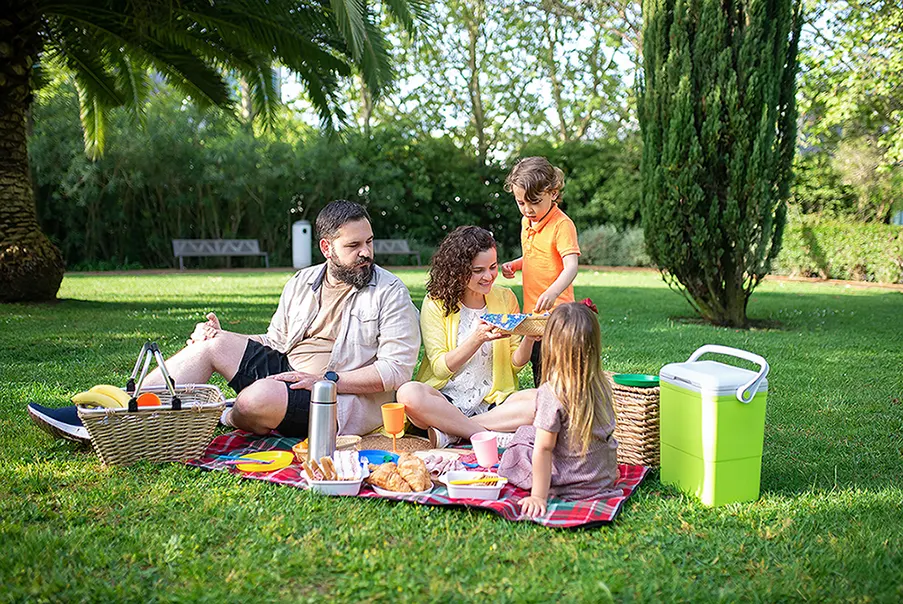
So how do we collect our children?
These are four ways you can “Collect your Children”. Sometimes they will blend together, many of us will do them naturally. I encourage you to start each new experience you have with your children (each time you’ve been separated from them) by connecting with and collecting them. When you wake up in the morning, when you see them after school or work or when they get home from a friend’s house. You might have things you want to discuss with them, or have them do but take even a minute or two to connect with them, it will probably make it all go more smoothly and will be more rewarding for you and your kids. It’s key to remember we are not trying to get something from them, we are letting them know the relationship between us is important.
Get into your Child’s space
The first way we can collect our children and other adults in our lives is what Dr Neufeld calls “Get into your child’s face”. He sums up the process as “Collect the eyes”, “Collect a smile”, and “Collect a Nod”.
Collect the Eyes
So, what does this actually look like? Each child and experience will be different; essentially, we need to get into our children’s face. When they are young that might mean we need to get down to their level by bending down or even sitting on the floor with them. A young child’s natural inclination will be to engage with us. As the Still face experiment so viscerally demonstrates our children need connection with us at a deep survival level. I know with my son there were a few times when I was engaged with him and I turned my face away from him to look at something, he forcibly grabbed my face and turn it back to connect with him. As human’s we need connection, to be seen and experienced. Children know this and if the relationship is safe, they will demand it; as they grow older this “demanding” will be become less physical and less obvious. As they get older you may need to be more persistent in collecting them, they may start to resist your efforts to connect with them. It’s important that we don’t take that as a sign that they don’t need us. How they need us and how they need to be collected will change but they still need it just as much.
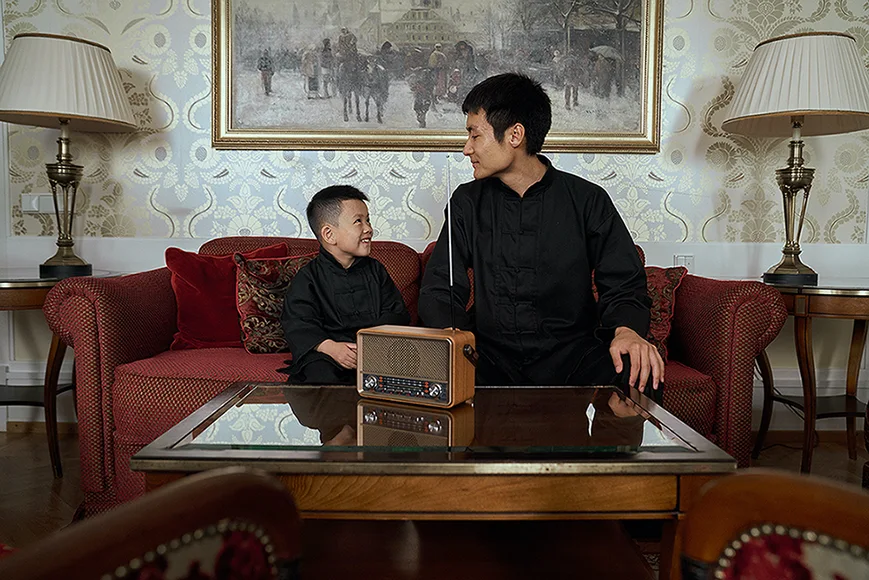
Of course, you will want to find friendly ways to get in their face. You might need to wait until they finish their thought, what they are currently engaging with. You might need to repeat yourself a few times until they engage with you. The goal is eye contact. How do you know if someone is connected with you? How do you know that they are listening to you, engaged with you? You can tell when you have established eye contact with them. It might not be consistent eye contact but they come back to it and you can see if they are “there with you” or they aren’t.
Now there are many reasons that making or keeping eye contact is hard for people. Honestly for a long, long time in my life I wasn’t a great listener, I was half listening and I wasn’t engaged. I wasn’t giving people my full attention. I apologize to those people. It wasn’t really about you; it was about me. But I digress. The important piece of this is when we are engaged with someone with eye contact, we can tell if we have their attention or not. Collecting the eye’s is the first part.
Collect a Smile
The next part is collecting a smile. What is a smile? A smile for much of the world is a universal sign of warmth. Of connecting, a show that we wish to offer some warmth, maybe some safety and connection. As you’ve probably found, sometimes getting a smile from another person is as easy as making eye contact and smiling ourselves. Other times it takes a few words, maybe an offer of encouragement, a compliment, or some humor.
With the eyes and smile we are connecting, having a shared experience we know that we matter to the person in front of us at least to some level.
Collect a Nod
While this third stage “Collecting a Nod” is the least important stage, it’s great if we can do this often. This is getting your child into agreement with you. When we are in agreement with someone, we are more open to them. We have a bridge or common ground between us, it closes the divide and creates connection. It doesn’t mean you need to agree to everything they want; I find often when I say no to something my son wants, if I also acknowledge that it wasn’t what he wanted that is enough to get a nod. I might say something like “I know Dad has been saying no a lot to time at the park this week”. Or I might really exaggerate the no by saying something in loud or funny voice like “Dad hates the park, it never wants to come here again” because my son trusts the relationship we laugh together, another form of collecting the Nod.
Greeting your children after you haven’t seen them for a period of time, like after school is a perfect time to do this. What I’ve learned as one of the best and easiest way to collect my son is every time, I pick him up from school I make a point of connecting with him. I make sure I’m not on my phone for the first 10 minutes he is with me. I make sure I greet him with a genuine smile, I look him in the eyes, I often tell him something like I’ve missed him, I’ve thought of him, I might ask a question about his day (I rarely get anything from that anymore), I will ask about how his day with his friends was (I get a lot more from that).
Provide Something to Hold Onto
As they get older it might be not physical but more something to hold onto figuratively, “something to hold dear”.
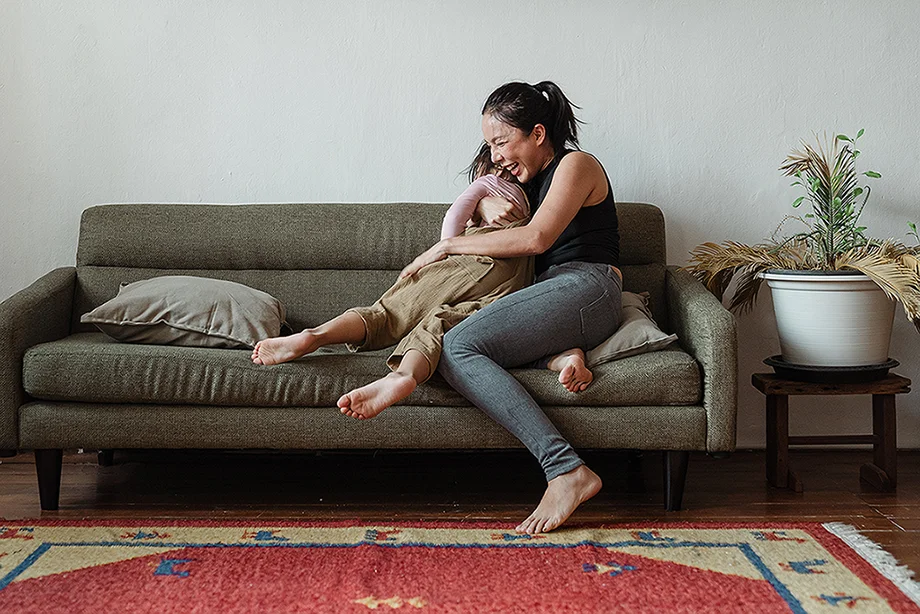
Physical contact is a good way as well. Hugs, sitting on your knee or close to you on the couch. We want our child to know that we want them in our life, in our space and in our hearts. We can let our kids (and other important people) know they matter to us by letting them know that we were thinking of them when we didn’t see them, or that we are looking forward to seeing them in the future. They are spontaneous acts of inviting connection. They are extensions of love. Dr Gordon Neufeld said it so well:
“In collecting a child, the element of initiative and surprise is vital. Providing something to hold on to is most effective when least expected. If what we have to offer can be earned or is seen to be some sort of reward, it will not serve as nurturing contact. Our offerings of connection must flow from the fundamental invitation we are extending to the child. This step in the dance is not a response to the child. It is the act of conceiving a relationship, many times over. It is an invitation to dance the mother of all dances—the dance of attachment. Again, it’s a matter of conveying spontaneous delight in the child’s very being—not when he is asking for anything, but when he is not. We show our pleasure in his existence by gestures, smiles, tone of voice, a hug, a playful smile, by the suggestion of a joint activity, or simply by a twinkle in our eyes.”
~Dr Gordon Neufeld- from “Hold On to Your Kids”
It can be as simple as bringing more curiosity and enthusiasm than they expect to something that your child is sharing with you. Bringing joy or more volume into your voice when they aren’t expecting it. Be silly about some idea or video game character they are talking about. When they share about what interests them, they are inviting us into their world as they want you there with them. Go into that world with joy, explore and celebrate it with them.
Sameness is a great way to give them something to hold that is dear. For many years our children love sameness with the most important people to them. The little reminders of sameness validate them, remind them they are accepted, that we see them, that they are known and safe in their relationship with us.
A great rule of thumb for Providing something to hold onto is giving our children our attention and interest. When we bring our genuine warmth, affection, enjoyment and delight we let our children know that they matter to us.
Invite Dependence
When our kids are babies, they obvious depend on us for everything. As they get a little older and they are holding their heads and bodies upright it starts to change. One way to invite dependence can happened as our children start sitting or standing in front of us, we can reach out our arms to them, they reach back to us and we pick them up. We are teaching them to depend on us. When they drop something out of reach, we can wait for them to let us know they want us to retrieve it for them, then we get it for them.
As they get older that dependence obviously will evolve. One thing to keep in mind is, our world’s focus on independence. Our western world strongly promotes independence and individualism, our children will mature into those things when they depend on us. They need the emotional homebase to come back to. When they have that only then can they find true independence. They can venture out and try things for themselves; knowing they have a place to come back to and be supported if they don’t succeed. When they know they can depend on us; they will naturally want to find their own independence which brings mature evolution.
A couple of examples of inviting dependence are when our kids are starting to get dressed or put on their own shoes. At some point they will say “I want to put my own clothes on”, you will hear something like “I can do it myself”. Then they can try to do it for themselves, maybe they succeed or maybe they fail. If you see they are not able to do something they may ask for you to help or you can say something like “That looks like it’s hard. Would you like some help with it?” They may choose to continue to struggle and assuming you have time I encourage you allow them to fail for a while. It allows them to get practice and become more comfortable with trying things and not succeeding, and then either asking for help or moving on. Part of the process of maturation is for people to be confronted with futility. Futility is what builds resilience.
Essentially, we want to allow time and space for our children to try things for themselves, but for them to know that they can come back to us when they need to. We don’t want to shame or guilt them into thinking that they need to do everything for themselves once they have done it a few times successful. We keep the door open for our support so they can come through it anytime.
“There is no shortcut to true independence. The only way to become independent is through being dependent. Resting in the confidence that getting children to be viable as separate beings is not entirely up to us—it is nature’s task—we will be free to get on with our part of the job, which is to invite their dependence.”
~Dr Gordon Neufeld
Act as the Child’s Compass Point
The last of the four ways we Collect our Children is we act as their compass point. We become their North Star, their light house in the fog. We become their compass point by giving them direction. When they are young, we physically give them direction on how to nurse, to start to explore their bodies and the larger world. When they become mobile, we keep them from harming themselves, we direct them away from all the potential dangers of the world. As they get older, we direct them by letting the child know where things are in their physical environments. We familiarizing them with their world, with people, places and things.
When we introduce our children to new people, we are letting our children know that “Hey I know this person and they are safe for me so you can feel some safety with them also. It allows their nervous systems to settle into an experience or place. As we introduce our children to people and places it’s like we extend the safety and that secure bond they have with us out into the world.
I know with my son when we’re going somewhere that we’ve never been or have rarely visited, I will describe to him what’s going to happen as far as I understand it. Where we are going, what he might expect, who we might see there. I will also remind him of previous experiences at those places or with those people. As people our minds want to understand what comes next, it reduces the number of potential dangers that we have to be on the lookout for. When our children are attached to us in a healthy way, they are allowing us to hold onto some of the uncertainty of navigating life for them.
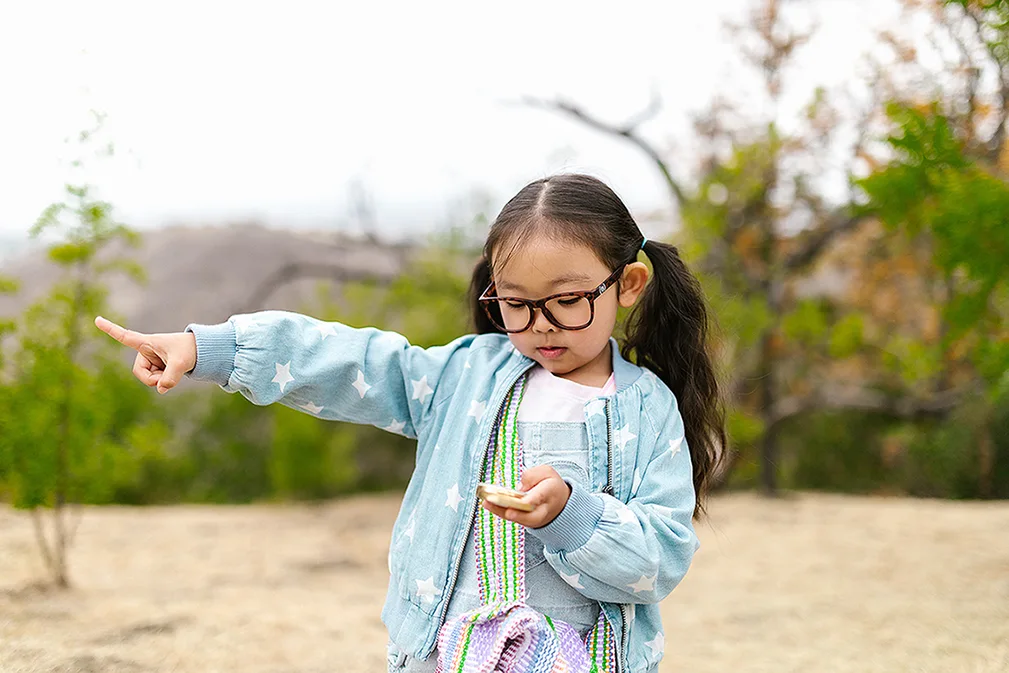
As adult we orient ourselves also, when we go to a new place we may want to walk around the neighborhood or check out the hotel, we get a tour of the new office, or a tour of the office where we are interviewing. These orienting increases what we know of the world which gives us the feeling of being more safe in it.
When I am thinking about visiting a new place or meeting a new person it helps me to hear from people I trust, share about their own experiences of those places, or with those people. We might share with our friends’ things like, “Oh I loved my trip to Tulum Mexico, the beaches and the sun were amazing. I felt really safe there” or “You remember Sally, you met her at Tim’s party a few months ago.” We are orienting other adults through extension of our connections.
If you’ve ever observed children at the playground with their parents, you’ll notice the really young ones often won’t go more than a few paces away from their parents. But as they get older, they’ll venture further and further away, always checking back to see that they can see mom or dad and that mom or dad sees them. They are learning their own independence but they can only do that because they know that they always have you to come back to. You are their compass point in the vast unknown world.
An overview of how to “Collect your Children”
With parenting and the parental relationship, you need to play the long game. The relationship might not show improvement in the short-term. We cannot expect our children (at least until they become adults themselves) to meet us in the same ways we meet them. Ideally, they rely on us and know they can depend on us.
The four ways to “Collect our Children”
- Get into their Face – Make eye contact, connect with them, let them know you see them
- Provide Something to Hold Onto – Physical hugs, holding hands, closeness let them know you have been thinking of them, bridge the time gaps when they are away from you
- Invite Dependence – Give them the space to do things for themselves but never close the door to your support, invite them to depend on you. Remind them that you are always there to support them.
- Act as the Child’s Compass Point – Be their Light house, orient them to new experiences, let them know what to expect in new situations, be their certainty in the vast unknown of the world.
We want to send the message to our kids that our relationship with them is more important than anything else. More important than their behaviours, how well they do things, their score on the test, and the messes they’ve made. That doesn’t mean we don’t correct those things, that we don’t encourage them and hold them to some standard, but that loving secure relationship needs to come first. Really listen to your children, ask questions, be curious about things that interest them, even if it doesn’t interest you. Find your delight in their delight, share moments of connection and love. Research states if we can show up 30% of the time our children are looking for us to; our children or going to be prepared to live a happiness and fulfilled life.
Notes and Credits:
This article is based and shares from the book “Hold onto your Kids: Why Parents Need to Matter More Than Peers” by Gordon Neufeld and Gabor Maté MD. I have come to know it as the most important book about parenting.