
Beliefs – Our Inner Model for Navigating Life
This is the 5th of 7 Articles in the Series “A Process of Change”
The way we view or think about the world and ourselves shape the experience we have of them. Our memories both conscious and subconscious form, and constantly reform our beliefs and patterns of thought. We organize our memories into different categories, to help us more quickly filter, the vast amount of input data we experience each day.
Our bodily sensations co-construct this internal map we use to navigate life. I speak more about how our bodily sensations or emotions impacts on internal map in another article called “Bodily Awareness – The Somatic Experience”. This article will focus on our thoughts, but it’s helpful to remember that thoughts and emotions work together to create our inner map and inner experiences.
I want to start off by generally defining a few words related to belief with dictionary meanings. To briefly touch on where they come from, and a simplified meaning I use. I use these definitions to help bring them all together for the purpose of this article. They all influence how we perceive and interpret the world.
Perceptions
“the way we think or impressions we have of something”
My simplified definition: “The way we think”
Perspective
“a particular attitude toward or way of regarding something; a point of view.”
My simplified definition: “Our attitude toward something”
Beliefs
- “an acceptance that a statement is true or that something exists.”
- “something one accepts as true or real; a firmly held opinion or conviction.”
My simplified definition. “Beliefs are what we have accepted as true.”
Context
“The setting of a word or event.”
Coming from the Latin meaning – “how something is made”
My Simplified definition: “Context is the mental model or internal mental environment we use to interrupt our life experiences”
To simplify all this, we might say our perceptions are our “patterns of thinking”, our perspectives are “our inner attitudes”, context is “everything that sets the stage for our perceptions and perspectives”. Our beliefs are “all these inner attitudes, mental models and patterns of thinking re-enforced by the emotional experiences linked with them”.
An Experience of Beliefs

An Experience of Beliefs
Or download an MP3 of the Experience
I believe that if an image is worth a 1,000 words, a personal experience is worth a 1,000,000 words.
Learn More about the Experiences offered here at Totality Counselling
How the Systems we are a Part of Impact us and we Impact them
We are all the products of all the different systems we are connected to. The systems of our families, our social groups, the systems of our employment, our communities and our cultures. We are all connected to many different systems, they are our relationships to others. If we wish to be free of the impact these systems have had on us, we must first understand how they’ve impacted us, then we may choose to take back our power over those impacts. These systems influence our thoughts, perceptions and beliefs.
When we change how we are within ourselves, we can’t help but change the systems we are a part of. This is basis of the idea of “Be the change” often attributed to Gandhi. When we experience ourselves in new ways, how we are, it affects the systems we are a part of. The Whole affects the individual parts, yet the individual parts make up the whole.
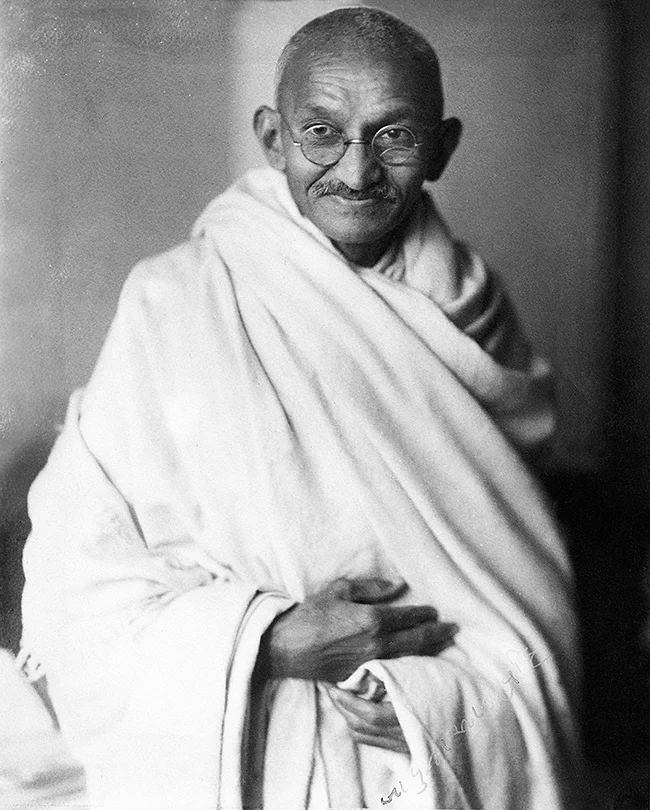
Mahatma Gandhi 1931
Elliott & Fry, Wikipedia
Patterns of Thought – Re-enforced by Emotions
Our beliefs, perceptions, perspectives and Context all describe our internal system or internal model that we use to understand life, and use to navigate through it. Our internal model is constructed by our patterns of thought, and is re-enforced by emotions or felt experiences connected to them. Emotions are very closely tied to our thoughts; they give thoughts or memories more “weight” in importance. When we don’t have a feeling attached to a thought it’s easy let it float on by.
Our brains group or organize our experiences and the meaning we take from those experiences as neural pathways in our brains. These pathways pass over or through neurons in our brains, these neurons hold emotional memories, and thought memories. Our thoughts and emotions are grouped together along these neural pathways forming our beliefs, our patterns of thought and feeling. These are the internal models we use to interrupt, to understand, to give meaning to, and to navigate our lives.
The Amazing Machine of our Perception
We use our beliefs (internal model) to filter every new thought and new experience we encounter. Our beliefs make up our inner model in how we understand, organize and make sense of all our experiences. Our beliefs or internal model sifts through and groups together all the information we receive. The vast amount of information that our systems need to process every day is unfathomable. Most of this is done in our subconscious.
We can’t consciously decide what every experience and thought means. We can’t consciously decide how to organize and relate to all the input we take in. Much of this organizing and sense making is done subconsciously. This organizing and categorizing is done using the algorithms or lists of internal rules that we have created through our beliefs, perceptions and perspectives. This internal model influences the model of reality we create. Our emotions and feelings (bodily sensations) heavily influence these filters with strong physical reactions that are linked to out past experiences and ways of thinking.
Acquired Beliefs and Perspectives
For most of us, our perspectives and attitudes are constructed around ways of thinking we learned from our families, our cultures and other people that have meant well. They shared what was true for them, from a model of relating to and understanding the world and life that they had. They shared their internal model by sharing their thinking with us, by sharing about the emotion connected to those experiences. They shared their internal systems with us simply by how they were, who they were as people. These beliefs and ways of thinking are based on what they learned from their families and cultures, as well as their own personal experiences.
When these models of relating to others, are supportive and come from a place of security and safety, passing them on to others is a wonderful thing. When these models are based on past fears, threat and trauma they can perpetuate these experiences of fear by passing them on through these internal models of interrupting the world. We learn to see or expect to see experiences that confirm our beliefs.
Our Internal Model – Automated through our Subconscious
Most people don’t actually know where their beliefs originate, due to no fault of their own. We’ve learned most of our beliefs subconsciously long ago. We automatically act or react in certain ways without knowing why. This is because the beliefs and stored physical memories (emotional reactions) are in our subconscious. Our subconscious is the vast warehouse that stores all our past experiences and what we have “learned” or what meaning we have taken from those experiences. It’s an automated system, but through making the internal working of this automated system more conscious, we can affect how it operates within us.

Often, we learned these ways of thinking or believing from the adults surrounding us as children. These adults were sharing what they thought was true and right, but it was coming from a place of their own hurt and fear. They created their beliefs as reactions to their own experiences as children and adults. It’s a continuous cycle of reteaching of the same thoughts and experiences, often based in fear.
It’s been proven through the studies of epigenetics that our fears and beliefs are also passed down through the memories stored in our bodies or cells. We inherited biologically the internal systems of our ancestors.
A Worried Dance of Thought and Emotion – Examples of Re-enforcing Beliefs
A Worry spiral – Worried thinking to Worry in the Body
Think back to the last time you spiraled into worry. Something happened and you felt worried in your body, maybe it was a sinking feeling in your stomach, or a nervous feeling in other parts of your body. Next you probably had more and more concerned thoughts about what might happen to make the situation worse. As you keep thinking these thoughts the worried feelings continued to fill your body.
Your dog or cat is acting weird. You become worried about them. You are sitting in the vet’s office waiting to see what might be going on with them. You can’t stop thinking about all the bad things it could be. “Will they need surgery? Are they going to need some expensive medicine? Might they die?”.
As these thoughts fill your mind you start to feel worse and worse in your body. Your worried feelings or emotions are linked to these worried thoughts, and can feed each other in a seemingly never-ending spiral.
A Healing Spiral – Safe thinking to Feeling Safe
This same dynamic of spiraling can happen in a positive direction. As we feel safe in our bodies it can help us access new and different perspectives. These new perspectives help calm our nervous systems to bring even more safety to our bodies, calm thinking allows new positive or supportive thinking to come in.

Let’s say we attend a weekly therapy group, there’s a man that always looks mad in the group. Over the past few months, we have gotten to know this man through what he has shared in the group and with us personally. We don’t see him as mad anymore as we’ve had a different experience of him. We run into an uncle of ours that we haven’t seen for 3-4 years, we have the best time catching up with him. We have never really felt comfortable with our uncle until now. We realize that we always assumed he was grumpy, but since the experience with the man in our therapy group we have become more open to our uncle.

New Context – New Experience – A Personal Example of How this Can Work
I am feeling alone because a friend I reached out to isn’t responding to my messages. They normally respond quickly, but they aren’t. I start to get upset with my friend, I start thinking that my friend is unkind and inconsiderate. Then I hear from another friend that this friend who isn’t responding is in the hospital with their father who is very ill. This new perspective gives me a new context of the situation. All of a sudden, I don’t feel upset with my friend anymore; this new perspective helps me shift to concern and care for my friend, instead of being annoyed and upset.
A Therapeutic Example of how Context helps us to uncover our Beliefs
Through exploration with our therapist, we might discover that whenever our daughter shows us her love through hugs and cuddling, we get angry unexpectedly. We know at some level that anger isn’t a healthy response to our daughter’s affection, but we can’t seem to respond differently.
Further therapeutic exploration may bring to mind a number of situations when our parents got upset with us, or our siblings, when we tried to get close them. These memories provide new information, a broader understanding of where we learned, that anger is how we should react to affection. We took on the internal model of our parents, we react in the same way with our daughter.
As we gain new perspectives on our behaviours, it often brings more acceptance, and openness to ourselves and our experiences. Through acceptance of ourselves we release some of the emotional energy connected with the memories of our past. We calm our nervous systems reaction to affection. We get know and renegotiate how our internal parts interrupt and experience these moments, we change how our defensive parts reaction in these situations.
More internal acceptance and openness regulates our nervous systems, when we are calmer inside it allows deeper or broader thinking, we are able to see the root cause of our behavior and make new choices.
These new insights mixed with less emotional charge inside, might lead to us speak with our siblings, about how are parents were. Our siblings might relate a story of how mean and uncaring our grandparents were to our parents. This further broadens our understanding of why our parents acted the way they did. We might feel some caring and compassion towards them.
All of the softening towards our family helps us to deepened the compassion we have for ourselves and others. This helps us calm our nervous systems and be less defensive. As we become less defended, we are able to open to more and more affection through hugs and cuddles with our daughter, these new experiences re-enforce our ability to be close without feeling threatened, our ability to experience safety grows. These new experiences reinforce our feelings of safety which calm us even further. These positive safe experiences help us build resilience to hard experience, while letting more of the good experiences happen.
An Example of how Beliefs are Created – Bees are Dangerous
A simple example of how a belief might be created. Let’s say when we were young, we were stung by a bee. Our parents acted very scared when we were stung, they wouldn’t let us play outside anymore when bees were around. As an adult we are very fearful of bees. We hate them, we think they are evil rotten creatures. We have a belief that bees are evil.
Another person who didn’t have a similar experience when they were young, might love bee’s. They might appreciate how bees pollenate and keep our crops growing, they might love honey and have a tattoo of a bee. Perhaps they grew up on a farm and had bee hives.

Both have a belief about bee’s that will influence their thoughts about bee’s, it will influence how they feel around bee’s. Their beliefs impact or influence how they live their lives. A fearful person might avoid visiting gardens at certain times of the year, even though they love flowers. They might have never tried honey. They might experience hate and fear in their bodies whenever a bee is flying around them.
This is a simple example with bee’s, imagine how many influences might affect your belief in yourself, your self-worth, the honesty of people. Now imagine all the different areas of your life that these beliefs influence.
Expanding Context/Understanding our Current Beliefs and Thinking
In therapy context is a huge part of the process of change. As we come to have more information, more understanding, about why we believe something, the more comfortable we can feel with it. As we feel safe with it, it allows us to expand our thinking and beliefs. As we learn more about something, we are able to see it in new ways.
When the unknown becomes know, it often feels safer or less of a threat. We often feel safest with the people we know best. We have established relationships in which we know what to expect. All of our friends were strangers once, before we knew or were familiar with them.
Context provides the Information Needed to Change our Beliefs
Personal change or transformation happens on a number of levels. We regulate or calm our nervous systems as we lessen the amount of charge our emotional memories carry within us. New information about a situation will often assist our bodies in relaxing, or releasing the emotional charge.
It actually works best when we start with feeling safe in our bodies. The Mind can’t make sense of our experiences when it is overwhelmed or overloaded by the experience of strong emotion. When our nervous system is overactivated, we aren’t able to think clearly, our bodies redirect its resources to the perceived threat felt in the body. This is why we can’t think as well when we are stressed or anxious.
As our bodies spend more time in a relaxed or calm state, it gives our minds the chance to think more clearly, to see things in new ways, allowing us to understand our thinking and beliefs. Understanding returns more of our ability to choose how we think. As we start to think differently, new neural pathways are followed in our brains. The more these new pathways are followed, the more of a habit these ways of thinking and feeling become. We begin to build new habits in our brains, new ways to see and experience the same situations. We build habits of feeling good and safe instead of feeling upset and fear. We are triggered less and less as our systems learn new associations between emotion and thought.
The process of change requires a shift in our emotions and our thinking, they are so closely linked together in how we experience life that one affects the other. It can be hard to start the process, but as we continue, we build positive and supportive momentum, we create more and more fulfillment in our lives.