Willingness – Harnessing the Power of Our Will to Choose Something New
This is the 4th of 7 Articles in the Series “A Process of Change”
Willingness – A State of Being Ready for Something New
Willingness describes a state of being that is open to something new to “be Willing to do or try something”. The common expression “I am willing to do what it takes to have what I want” sums up how most of humanity attempts to force their way to what they want with brute strength of will. I aim to have a different focus with this article, I aim to illuminate how Willingness or the conscious use of our Will opens us up to having more of what we want, in a less forceful way.
Many of us don’t have access to use our Will, at least not in a complete way. As children and then as adults we’ve been overwhelmed by our emotional pasts, we haven’t established trust within ourselves to be able to make the right decisions for ourselves, both internally and externally. Willingness is part of moving towards creating that inner agency to feel confident in our own ability to decide for ourselves.
I am suggesting an emphasis here on our willingness to look at the things that hold us back. To build up our Will or power to choose, to shift our focus internally. To start shining a light on the parts of us that don’t serve us in a way that supports the life we want to have.
Willingness is more than just using our Will, it’s a State of Being that is open to new experiences, knowing that some of them will be difficult. Open to new perspectives, perspectives that are in service of creating something new for ourselves. Willingness opens some space inside us to create or allow change. Space around the parts inside of us, that have cut us off from using our Will to create more of what we want. Willingness often starts by us recognizing what we no longer want for ourselves.
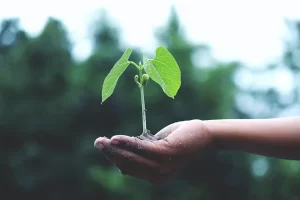
I see willingness like the healthy soil needed to nurture a new plant. Unless we plant something in its soil it yields ‘s nothing, but combine a powerful seed with this fertile environment, incredible things may grow.
Our Will – The Rudder of our Life
I see our Will as the joystick we use to direct or control ourselves through the game of life. Our Will enables us to shift from living unconsciously or on autopilot, to becoming more conscious. Once we start to use our Will, to direct our awareness in new and different ways, we empower ourselves through deeper understanding of ourselves and the world around us. This gives us new choices in how we respond to ourselves and everything we interact with. As we consciously direct our Will for the first time it can be like taking sailing lessons. We find we can direct our boat by taking hold of the rudder, yet we soon learn that heading directly into the Wind or challenges in our life, might not be the best or easiest way to get where we want to go.
Our Will is the aspect of us that makes decisions, our inner authority. We are always making decisions, whether we are aware of those decisions or not. Not making a decision is a decision itself. We use our Will or choice not to bring consciousness or awareness to what we are doing, and the reasons behind that. We use our Will to take actions, to focus our attention on a thing, person or memory.
None of this is shared with any hint of “you should be doing these things”, I share this as encouragement, as a means for empowering transformation and change. As I said before, many of us don’t yet have use of our Will, but we can be open and willing to explore ourselves until we do.
An Experience of Willingness

An Experience of Willingness
Or download an MP3 of the Experience
I believe that if an image is worth a 1,000 words, a personal experience is worth a 1,000,000 words.
Learn More about the Experiences offered here at Totality Counselling
Definitions for Will, Willingness and Will-Power
Willingness
Willingness (as the Oxford languages defines it”
“the quality or state of being prepared to do something; readiness.”
Will
The word Will is defined in a multitude of ways; it can express desire or choice, our consent, our determination, persistence or to express the capability of something.
I am fascinated by words and their origins. There a few different origins for the word “will”. Old English, Proto-Germanic, Dutch and others defined it as “to will, wish, Desire” and “to choose”.
Will-Power
Will Power – (Taken from the Merrian Webster Dictionary Online)
- the ability to control one’s own actions, emotions, or urges
- strong determination that allows one to do something difficult
The term “Will-power” is used in our modern culture to describe how we use our internal power to bring some situation into reality by means of our will or wish. It is using the power of our Will.
As I stated before, I am not suggesting we should use our will-power to overcome or control our emotions. That doesn’t work, our subconscious is too powerful for that. What I am encouraging is the cultivation of our ability to use our Will to increase our moment-to-moment awareness of our experiences, increasing our ability to respond, rather than react.
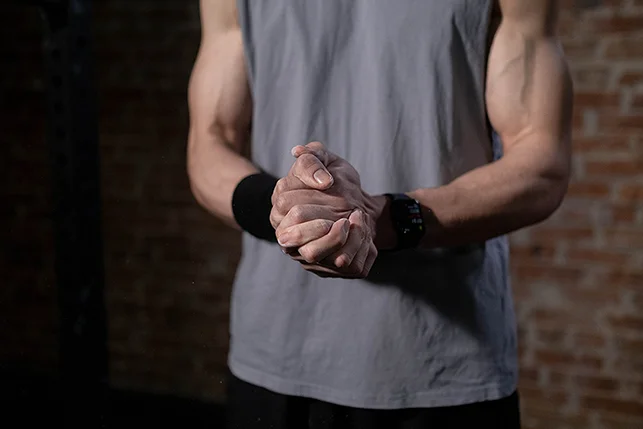
Where in our daily lives does Willingness play a Role?
We use our Willingness everyday, much of the time we do so without realizing it. We exercise our will in every moment, much of the time without any awareness of it. You might argue that if we aren’t aware of our choices, are we really willingly making them? At some level I suppose we aren’t, but by not exercising our Will to become more aware of our choices, we willing allow our choices at a subconscious level. When we don’t make new choices, there is a level of willingness to continue making the same choices.
I am not suggesting what so many others have, that the reason you aren’t getting what you want in life is due to a lack of Will-Power alone. I am suggesting the use of Will in a more open conscious way, a Willingness rather than a forceful concentration of Will. Force introduces tension and resistance in the body. Willingness is a more balanced touch, like gripping the baseball bat or tennis racquet firmly but not with a death grip.
How do we use our Will without being forceful? One way is to use our Will to direct our attention or Awareness in a new way. When we intentionally start to use our awareness to shine a light on what’s going on inside of us, to get to know our own experience, we have an opportunity to release or let go of many of the patterns or reactions, and behaviors that lead to the struggle in our lives.
Looking After a Toddler – An Example of Will mixed with Openness
One way to think of Willingness is, imagine you are caring for a toddler. You want to let the child have its experience of exploring its world, but when they approach danger, you will want to impose your Will on them to protect them.
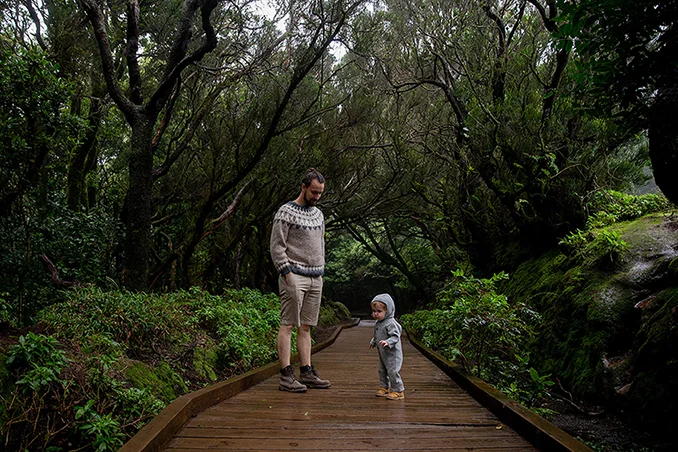
Willingness in this therapeutic sense is allowing yourselves to have new experiences that feel uncomfortable, so that you can learn through those experiences. At first you might need someone else to help you, to guide you and keep you out danger that might have a negative lasting impact on you. As you gain more experience navigating your inner world of emotions, beliefs and perspectives you will find you can set your own boundaries when that exploration becomes too much.
As humans we learn about ourselves and how best to navigate life, through our own experience. We benefit from having the opportunity for new and different experiences. However, we can only take in the learning gained through experience, when our nervous system is calm enough, to actually be aware of what we are experiencing. Children need to know they have safety to return to if they are going to feel confident enough to venture out and experience things that feel “risky” but not too risky. The safe place to return too is vital for them in their growth.
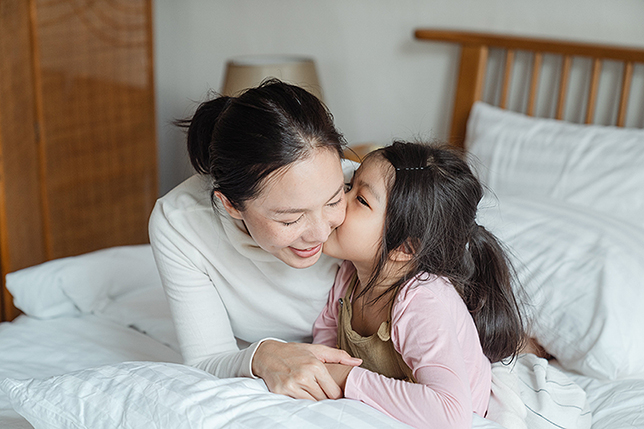
Safety – The Psychological Container Needed for Growth
Safety is the psychological container we require to really capitalize on new experiences that are out of our comfort zone, we can venture out into new territory only when we have some sense that we have a home base to return to. Home base might be our teams at work, our partner or families at home, our teachers and friends at school, or our therapist. This safety is also built inside of us, through the practice gained with others.
Through the lenses of growth, transformation or therapy a client gets to try new experiences that feel a little emotionally risky with their counsellor. Through the process of stretching what is comfortable while being held within the safety created by another person (or group of people), we are able to change our relationship with that experience. These experiences can be past experiences, or present moment ones.
Another way to describe “New ways of experiencing ourselves” is to spend time in new or different States of Being. As an example, I will often invite my clients to stay in the State of Sadness or Anger. When I join them in their experience of feeling sad or angry, its different then when they are triggered in a moment of upset, or when they are experiencing these feelings alone. Over time my clients create their own internal safety, it expands, more correctly stated, they are reconnecting to their core which is able to provide the safety needed for them to feel sad with becoming lost in it.
Willingness in Personal Growth and Therapy
What does willingness look like when we are looking to make change? Here is a list of what you might become willing to do when you are working towards having a more peaceful and fulfilling life
- Willingness to Make Changes
- Willingness to feel what is hard
- Willingness to see things in a new way (open to new perspectives)
- Willingness to Accept that you aren’t perfect and that’s ok
- Willingness to have challenging conversations
- Willingness to Forgive yourself
- Willing to focus your attention inside
- Willing to Start
- Willing to Try
- Willingness to Be something else
- Willingness to love yourself
- Willingness to let the love in from another
- Willingness to make mistakes
- Willing to try some new things
Of course, you don’t need to be consciously willing to do all these things. Willingness is a State of Being through which you may experience these things. As you start with one it will lead to the next. Willingness as a state of being is an openness of heart and mind.
You can also use these examples as conscious steps to be more Willing. When we take new action, it creates the circumstances for us to experience something new. This inevitably leads to new internal States of Being, to new emotional experiences, to new perspective, and through that a new experience of life.
Change is Inevitable – Willingness Empowers us to Flow with instead of Against our Experiences
Only when we are willing to make a change or to stop resisting a change, will it happen in way that is peaceful or not upsetting. I would describe life as continuous evolution through constant change, we can either go with it or fight against it.

Until we are willing to use our awareness to look at the parts of us that are upset, we remain in a constant battle with them inside of us. Working with the conflicts between these inner parts or Aspects of our Minds, is the basis of IFS and Parts Work. By creating more awareness of how we experience our bodily sensations and our thinking, we come to understand how the conflicting Parts inside of us operate, we come to understand why they create our internal conflicts. As we nurture, accept and understand these parts of us, they release the need to keep behaving as they have. As we create new relationships with our internal Parts, we are in a place to form new agreements or understandings with them, these agreements are more harmonious ones, creating less conflict inside of us.
Awareness and inner work, doesn’t necessarily pave the way for smooth sailing all the time, but it does reduce our inner resistances to flowing with change. It’s not until we start focusing our attention inwards that we become aware of the inner conflicts present there. These conflicts form walls or resistance to change and the natural flow of life. You could also call these resistances our feelings, thoughts, beliefs and defences. They are part of our minds, nervous systems and belief systems. These are aspects of us that think they are keeping us safe by resisting hard emotions, by maintaining our psychological defences, and continue to operate from our beliefs.
Resistances as described here aren’t bad. Generally, it’s only when we come up against something in our way, either internally or externally, do we take a look at the thing. These resistances or difficulties are actually a call for us to take a closer look at what is creating the upset or disturbance. Life’s experiences keep providing new and different avenues for us to change our inner experience, to something more of our choosing.
For many people, including myself, it can take life getting very difficult, a lot of internal suffering, before we make the choice to do what it takes to become aware and release the internal parts that don’t serve what we want. We decide that our current experience isn’t what we want anymore. Our willingness is a decision to create a new normal for ourselves, something different from what our experiences have conditioned us to believe is the only way.
Paradoxes of Change and Growth
Like so many truths of life the closer we get to the core or truth of a thing the more the paradoxes show up. Paradoxes like “the more awareness we bring to the dark, the more light becomes available to us.” Said another way, “the more we look at, and love our unlovable parts, the more love we gain access to.”
Another paradox along these lines is:
“the more we push against something inside us, the stronger it resists or pushes back.”
One last Paradox:
“Hate cannot defeat hate, fear isn’t calmed by more fear, only love and safety can do those things.”
“What you Resist, Persists”
~Carl Jung
How do we direct our Willingness?
Willingness is not a thought or even something we do. Willingness is an internal decision or attitude to be open to our current experience to the best of our ability. It’s a choice to be a certain way, to choose our State of Being, to choose how we approach or experience the world. To be willing or open to change is a powerful attitude of wanting a new experience, and being determined to do what it takes to have it, even when it starts to become uncomfortable. Willingness is not something we do once or twice, it’s a choice or attitude we come back to again and again.
What we can do is willfully decide to keep shining our awareness on the unknown parts inside of us. To make the unknown known. As we soothe the conflicts between our different internal parts through awareness, acceptance and understanding, they free our core abilities from the prisons we have confided them to. Internally we shift from being a scattered collection of individual misguided efforts, to an inner cohesive union led by our wise core self.
Using our Will to Choose our State of Being
Many of us aren’t going to be able to use our Will to “make’ ourselves feel joy when we are upset, at least not all the time or right way. What we can do is to intentionally choose to be Willing to become aware of our experience, Willing to have our present moment experience rather than distract ourselves or push it away. Once we become aware of our experience, we have some space between it and ourselves. Awareness empowers and assists us in building up more of our ability to choose what we experience next.
We can learn to shift with our emotional experiences, we might start to feel upset as something happens but instead choose to feel gratitude or care for the other person in its place. The truth is for most of us the majority of our decisions are made subconsciously. Our decisions are made by our automatic psychological defences, these are rooted in our past experiences of fear or threat.
Once we get to know them and why they make the decisions they do we can decide if those choices are in our best interest.
Willingness – The Conscious use of Will to Know our Own Experience
We live in a world that continuously reminds us that we just need to try harder, focus more to get ourselves out of all the experiences we don’t want. The Will is one of our most powerful tools. It’s in our best interest to be able to know where we want to go, to focus on moving in that direction, and navigate the challenges we are confronted with along the way.
Willingness is a more open and yielding use of our Will. It brings us the advantages of utilizing the gifts of the Will without driving us incessantly into the same internal walls that have stood in our way. Willingness is a path of strength, in a more balanced or relaxed way. A way that helps us to identify and then side step the traps of our past.
Willingness is the middle path, the path of power balanced with grace. With Willingness we meet our experience of life with awareness, which ignites our personal responsibility. Willingness, Awareness and Personal Responsibility act like gateways to our own fulfillment, they are the keys that unlock the door to our self-empowerment. Through them we deeply understand that holding others responsible for our fulfillment is not the way.