
Personal Responsibility – A Massively Empowering State of Being
This is the 2nd of 7 Articles in the Series “A Process of Change”
Personal Responsibility is about taking responsibility for our own experiences and reactions. It’s not about blame, it’s about deciding that only we can change our lives. We don’t take responsibility for something because we made the mess, we do it because we don’t want to keep stepping in it. As long as we are waiting for someone else to do something, so we can change, we are held at the mercy of that other person.
Something I realized recently is responsibility can be a State of Being. Being in a state of responsibility is choosing to exercise our inner Will to take responsibility for our part of what’s happening inside of us, and our part of our external experiences as well. When choosing personal responsibility, the state of awareness is soon to follow. Through these states of being we come to know why we respond to life as we do, once we become aware of something, only then we are in place to choose something else.
Once we can understand and make peace with the roots of why we think, feel and behave as we do, we are empowered to choose to respond in a new way. Taking personal responsibility isn’t accepting blame for something, it is reclaiming our power to change our response to it. When we change how we respond internally to something, we are no longer at its mercy.
Taking responsibility is very similar to having an inner Willingness. A decision to be open to seeing things in a new way, to experience things in a new way. I want to be very clear that responsibility is for ourselves and our part in things. This isn’t the same as doing everything for everyone else, heaping on more and stuff to do, or taking on things for others.
An Experience of Personal Responsibility
An Experience of Personal Responsibility
Or download an MP3 of the Experience
I believe that if an image is worth a 1,000 words, a personal experience is worth a 1,000,000 words.
Learn More about the Experiences offered here at Totality Counselling
Taking Responsibility Isn’t the same as Taking on Blame
As I’ve done in past articles, I like to look at the meaning of words and where those meanings have come from.
Blame
Definition
of Blame
(Powered by Oxford Languages)
- Verb: Assign Responsibility for a fault or wrong
- Noun: responsibility for a fault or wrong.
Responsibility
Middle English: from Old French blamer, blasmer (verb), from a popular Latin variant of ecclesiastical Latin blasphemare ‘reproach, revile, blaspheme’, from Greek blasphēmein (see blaspheme)
Origin of the Word Responsibility
I find it interesting the English word “blame” is based in the Latin word “blaser” which is a variant from the Latin “blaspheme”. The word blame seems to have its roots in the religious idea of feeling guilty, because we have done something wrong or sinful, or that we are wrong or sinful.
Definition of Responsibility
(From dictionary.com)
- Noun: the state or fact of being responsible, answerable, or accountable for something within one’s power, control, or management.
As I looked into meaning of these words, I realized that responsibility is a State of Being. It’s a State of Being in which we choose to take on the duty, to be able to deal with or handle something.
I’ve found the practice of exploring the meaning of words, and where those meanings have been derived, very helpful in understanding the relationship society as a whole has with those words. Society is guided and influenced by the meaning we take from words; at the same time the collective understanding of words is how their definitions are created.
As humans we are constantly deciding what things mean for us, often we don’t realize this. Our memories carry those meanings, and until we bring awareness to them, they impact how we perceive the world without us recognizing it.

It’s not until we are at peace with something (emotionally neutral) and have some understanding of it (understanding the reasons for it), that are we free to decide if that feeling or thought serves us going forward, or if there is something that would serve us more.
It seems to me that in our culture taking Responsibility for something is the same as taking on the blame for it. Blame seems to be associated with guilt and shame. With that in mind, it makes sense that will avoid taking responsibility as it’s implied that responsibility comes with guilt or shame.
I speak of personal responsibility in a different way.
How Taking Personal Responsibility is Helpful
I understanding taking personal responsibility as something that serves me. Feeling bad about something we’ve done can be helpful if we don’t get stuck in the loop of feeling bad, when that happens it becomes a disservice to us. If we take Personal Responsibility for something, chances are there will be some negative feelings around it. It’s only when we take the courageous step to face and work through those hard feelings, that we are free from the patterns of belief and behavior, that they’ve kept us in.
When we free ourselves from these emotional and mental patterns, we are free to decide who we want to be. We will often need support or help to do this, especially if it’s not something we are practiced at.
Facing into these hard feelings can teach us where we have made mistakes, shame and guilt can provide us good information about who we want to be and not be, but only when we aren’t stuck in repetitive patterns of feeling guilty and shameful. Personal Responsibility helps us break free from these patterns by helping us to understand, that maybe we’ve made mistakes in the past, but that doesn’t define who we are.
“Responsibility is not believing we are a mistake and are powerless to change.”
Are we really empowered to make amends with others, while we are still feeling bad about what has happened? Can we find peace within ourselves if we are still caught up with the emotional battle going on inside of us? It seems to me that truly repairing our relationships can only come from an empowered place of feeling at peace within, rather than still feeling bad about what has happened.
“Responsibility is acknowledging we have made a mistake and can choose to do something about it.”
Taking Responsibility for our Lives can be really Hard
Taking responsibility for ourselves, especially at first might, feel really hard. It’s normal to have feelings of guilt and shame associated with things from our past that we aren’t proud of. Making peace with those feelings is actually how we stop repeating the same patterns that lead to us doing those things.

We have learned to hide our deep feelings of shame and guilt. Those that we’ve looked to for guidance didn’t know how to handle those strong feelings either, they taught us as best they knew how. We didn’t know that the more we push down those feelings the more they grow in that darkness. Personal Responsibility is the conscious choice to bring them out of the basement, to see what impact they’ve been having on us.
Responsibility is the Ability to Respond
I love the reframe of responsibility that Sadhguru, a modern Indian guru brings. He defines it in this way “responsibility means being able to respond to the best of your ability to whatever situation you may face in your life.”
Responsibility from this perspective is all about our current ability to respond. I take from this that responsibility is continually changing, as we are continually growing. Responsibility is our ability to respond to something, rather than react to it. When we react to something it comes from that instinctive reptilian part of our brain and nervous system. This is just what we want when we are driving, playing sports or drop something. We don’t want to have to think about doing those things, we want our bodies autopilot to take control and react.
However, reactions are very often based from the part of our brains and nervous systems constructed from our fearful memories of potential dangers in the past. When we respond to something we can consider potential danger’s while also choosing a more expansive, caring and helpful response. We might feel the fear and benefit from the information it provides, yet still respond in way that isn’t driven by it. We can make a conscious choice rather than a purely instinctual one.
Responsibility – Choosing not to Hold Others Responsible for Our Experience of Life
When we aren’t taking responsibility for our lives, we are in what many call a “victim mindset”, we are holding others responsible for our happiness, our success and fulfillment. It can be really hard to hear that . We have all fallen into this mindset throughout our lives, I certain have myself.
As children we were at the mercy of others most of the time, in a number of different ways. We couldn’t be responsible for ourselves. In no way am I dismissing all the traumatic events and circumstances you have faced. As we become adults, we take on responsibility for our lives. We may be faced with a lot to work through, but there is no one that can do it for us. That doesn’t mean we should do it alone, only that no one can change for us.

Taking Personal Responsibility doesn’t mean we forget about everything that happened in our past, actually it’s the opposite of that. It’s deciding that we are the only ones that can resolve all that is going on inside of us, which was often created from those experiences in the past.
It’s impossible to change others, and have it truly benefit us in the long term. Have you ever tried to change another person so you can be happy? Does it work? No, it doesn’t work. Think about your own reaction when it feels like someone is forcing you to change, or holding you responsible for something. You get your back up, right? You dig in, the last thing you are open to is doing something for someone else. This resistance to being controlled is called counter-will and is actually a healthy part of our psyche, it helps us assert our own needs and points of view, to separate from our parents and other adults as we mature.
While I won’t go into it here, I do want to acknowledge that for some, they won’t get their back up when others push them. For some they haven’t felt safe enough to use their counter-will to push back on those close them, so it’s not active. For them taking personal responsibility can be powerful in building their internal Will, by creating safety within themselves.
What we can do is inspire and support others to change by how we are, how we interact with them. One of the best ways to inspire others, is by changing ourselves. Others can’t help but notice the change in us. Generally, when others notice change in us it can go one of two ways, the change in us changes the dynamic between them and us, which often feels like we are forcing them to change. They may resist this change in the relationship by shaming us, arguing with us, or finding other ways to try to get us to change back, so the dynamic between us stays the same. Or they see the change in our relationship with them as a welcome thing, the change in us inspires them to making changes within themselves.
How can taking Responsibility Benefit Us?
Personal responsibility can be a State of Being very similar to the State of Being of Willingness. We are deciding that we want to take responsibility for how we respond to things in our lives. This responsibility infuses us with the Willingness to face what our awareness shines a light on. This combination of Responsibility, Willingness and Awareness empowers us to look around at all the parts of us that have created the life we are currently living.
As we embark on this process intentionally, we become aware of what our bodies are communicating to us, what our feelings are telling us. We are able to see what we believe and hold as values. We get to see where and how those ways of thinking were created. This process brings us more and more of a few key factors to creating a life we actually want, a life that is fulfilling.
“Only once we really see things as they, can we decide something new.”
These key factors are Awareness, choice and safety. As we become more aware of the roots of what drives us, we get more and more choice to keep being driven in the same way, or to choose something else. Choice creates safety, when we don’t feel cornered, we can respond with wisdom rather than react from fear. As our internal safety builds, we gain access to more and more awareness. These three factors awareness, choice and safety all feed each other in supportive ways.
“Responsibility is taking our power back to respond instead of being at the whim of our Reactions.”
An Example of Taking Responsibility for Our Part
Responsibility for our Thinking
Whether we realize it or not we are strongly influenced by our environments. Influenced by those closest to us, our families, our societies, our religions and the larger global communities we are a part of. These influences tend to shape us most when we are young. We construct our internal model or internal guidance system largely by borrowing, or taking what our trusted adults have in their internal guidance systems. As we are growing up, we constantly creating our meanings about the world, about others and about ourselves. These meanings that we create form the foundations or blueprints we use to navigate our lives, and the world.
Here is an Example of Personal Responsibility
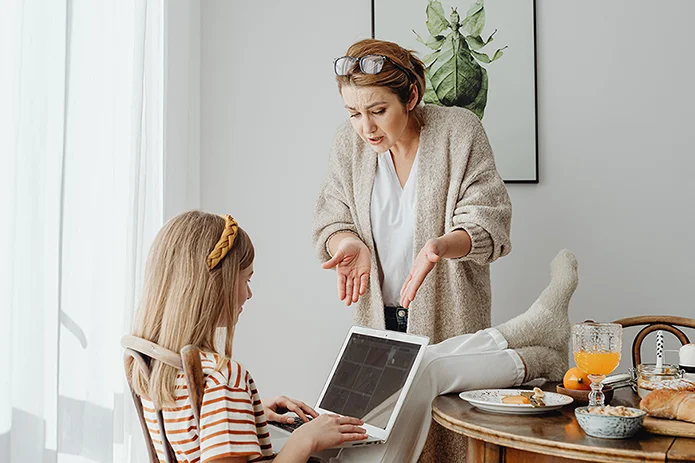
In this example you are arguing with your roommate about how they don’t clean up the apartment, and you are tired of it.
You come to a session with me and start by saying how upset you are with your roommate. You tell me how inconsiderate they are, you called them a jerk just before you logged into our session. I encourage you to get to connect with me, then I guide you to notice what’s happening in your body. As you do that you notice all the pent-up anger in your body. I let you know that I welcome that anger, and ask if we can sit with it together. We sit with your anger, and after a couple of minutes you notice something else happening. You notice there is some sadness there as well. I ask about the sadness. All of a sudden you remember a story from when you were 11 years old, your mother yelled at you for not cleaning up like she had told you to. Your mother yelled as she explained “some very important people were coming for dinner and now it was ruined because you hadn’t cleaned up your mess.” Your mom blamed you for how ashamed she felt, when these people came and saw your mess. She told you how irresponsible you were, and how disappointed she felt in you.
Together we feel the sadness that your 11-year-old self-felt in that moment, the sadness you have carried up until now. We talk about how you came to value cleanliness, how much pride you take in how neat you keep your life. As we go further, you realize how you feel shame and fear whenever you get even a little bit untidy, and how you can’t stand it in others. You feel disgusted by it, you get really upset anytime someone “forces” their dirtiness on you. You see how you use anger, just like your mom did, to control yourself, and attempt to control others. This is all so you can avoid the strong feeling of shame and guilt your 11-year-old self-felt in that moment. You see how that was a powerful moment that you experienced, and continue to experience when the subject of cleanliness is involved.
You come to realize that tidiness is so important to you, because you are afraid that you won’t be loved if you aren’t clean, that your value as a person is dependent on it. You understand how your anger protects the sadness and uncertainty you buried inside. You fear those strong feelings will overwhelm you if you allow yourself feel them. To your body it’s like just like you are 11 years old again. You are repeating the experience you had with your mom, hoping for a different outcome.
As you feel and allow your sadness, you notice that you don’t feel as angry as you did. You think of your roommate, and feel understanding for them, along with the frustration. You think of yourself and that 11-year-old part of you, you feel love and compassion towards them, now that you understand what they went through.
In this example you took Personal Responsibility for your experience with your roommate. With my help you took back the responsibility of your feelings, by feeling them. This time you felt them with a supportive adult, rather than one who didn’t understand them and couldn’t care for you in them. You re-experienced a past experience, with the support of another who could be there with you, without blaming you for your experience. You lovingly faced the powerful emotions tied up inside you around tidiness, which allowed you to explore where they came from. As you tamed the strong emotions, it allowed you the clarity of mind to see your past experience in a new light, you were able to see the beliefs and thinking that was created as a foundation of your personality.
As you integrate this experience within you it allows you to expand your thinking and your ability to respond to it rather than to react. You decide to speak with your roommate and apologize to them for your reaction. You share the story of your mom yelling at you and how you learned that messiness means shame and disrespect. You tell your roommate that you may get upset in the future, but you will do your best to respond in a new way. Your roommate thanks you, and says they really appreciate you sharing this with them. They will do their best to keep things cleaner, to help you feel more at peace.
Reflections on this Example:
This transformation was possible because you took Personal Responsibility for your experience. You started that by coming to therapy, a place you know can bring up hard emotions and thoughts. You took back the responsibility of your internal emotional reaction, to understand what was going on for you, rather than blaming your roommate for how you felt. You took responsibility back from the experience with your mother. You saw that event in a new way, and decided to make a new meaning of it. Lastly, you took responsibility with your roommate by communicating with them, owning your part of it, and sharing what it all meant to you.
A Caution around the Therapeutic Process
This is one example of what can happen when we take responsibility. I am not saying that it’s always this simple and straight forward, even when you work with a counsellor. Sometimes these transformations go very smoothly and surprisingly quick, and other times it’s a longer process of facing ourselves. This example gives some examples of some of what counsellors might do with their clients. While we can find a great deal of transformation working on our own, it is recommended and safest to do it with a trained professional, especially when you are beginning.
Personal Responsibility – A Brave Choice that Leads to New Experiences
Personal Responsibly is a critical step to changing ourselves and therefore our lives for the better. By making peace with our feelings and understanding why we think the way we do, we free ourselves from the same old patterns, the same old experiences. We can’t accomplish this without taking a look at ourselves, we do that by taking Personal Responsibility for our lives.
Taking Personal Responsibility is a really courageous act. Most of what we have learned through our families, our cultures and our society has taught us that blaming others is how you handle the challenging aspects of life. We see it modeled everywhere, on TV, in the News, on the street and even in our homes. Most of us didn’t have the safety growing up to practice building up the inner resilience necessary to confront the big feelings we feel when we take personal responsibility for our part of things.
The adage “Do as I say, not as I do” comes to mind. It would be ideal if we could just follow instructions, but we aren’t built that way. A huge part of how we learn is through modelling the behavior, we see most. We assume those older than us know the best way to live life. We are emotional beings whether we are willing to accept that or not. We must come into a certain amount of peace with ourselves emotionally, before we can choose to live from the wise knowing that is innate in all of us.